
Results
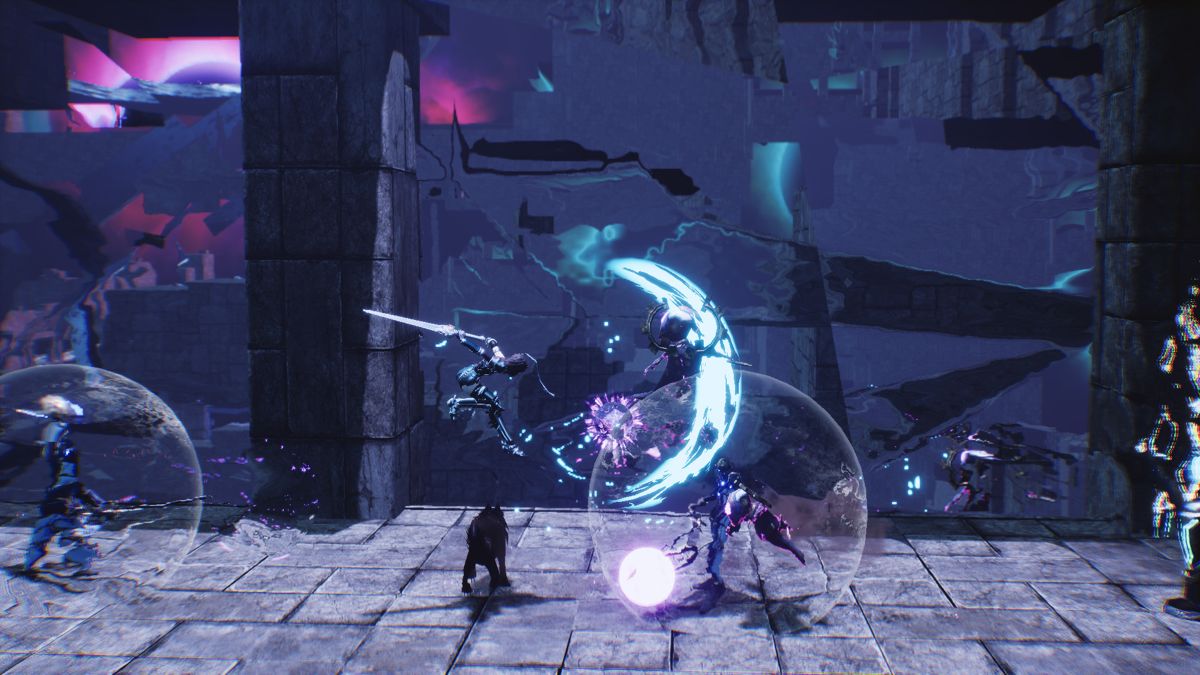
AeternoBlade II
fantasy, challenging, hidden areas
AeternoBlade II is an action-platformer with RPG elements, released in 2019 as a sequel to the original AeternoBlade. The game features three playable characters: Freyja (returning from the first game), Bernard, and Felix, each with unique abilities and fighting styles. Notable features include: 1. Time manipulation mechanics: Players can rewind time, create time clones, and freeze enemies, adding strategic depth to combat and puzzle-solving. 2. Combo-based combat system: The game emphasizes chaining attacks and utilizing each character's unique skills to defeat enemies efficiently. 3. Dimension-shifting gameplay: Some levels require players to switch between different dimensional planes to progress and solve puzzles. 4. Multiple gameplay perspectives: The game alternates between 2D side-scrolling sections and 3D arena-style combat areas, offering variety in gameplay. 5. Skill tree system: Characters can be customized and upgraded through a branching skill tree, allowing for different playstyles. 6. Intertwining storylines: The narrative follows the three protagonists' separate but connected journeys, eventually converging into a unified plot. 7. Boss battles with puzzle elements: Many boss fights incorporate time manipulation and environmental interaction, requiring both combat skills and problem-solving. 8. New Game+ mode: Allows players to replay the game with upgraded characters and access previously locked areas. While AeternoBlade II builds upon its predecessor, it received mixed reviews due to technical issues at launch and some criticism regarding level design and controls. However, it maintains a niche following among fans of the genre who appreciate its unique time manipulation mechanics and character variety.
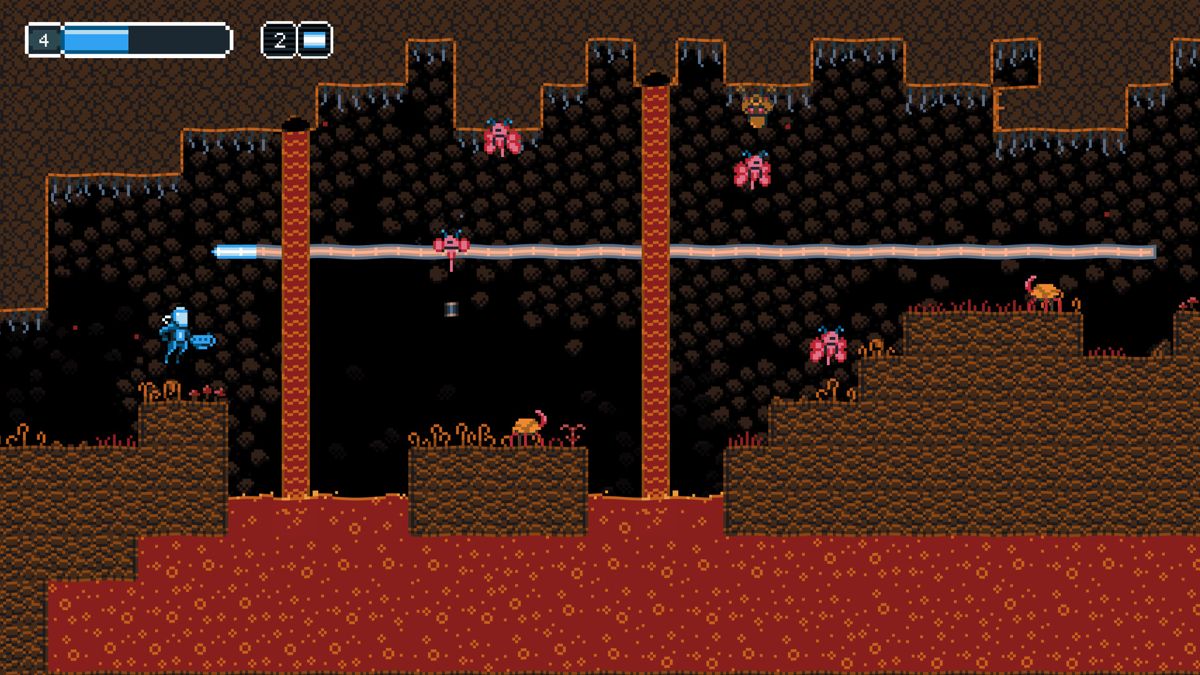
Escape from Thethys
sci-fi, pixel art, challenging
Escape from Thethys is a 2D metroidvania-style action-platformer released in 2018. The game is set on the underwater moon Thethys, where the player takes control of a deep-sea diver trying to escape a mysterious underwater facility. Key features of the game include: 1. Procedurally generated levels: While the overall structure of the game world remains consistent, the specific layouts of rooms and placement of items change with each playthrough, enhancing replayability. 2. Unique weapon system: The player's primary weapon is a harpoon gun that can be upgraded and modified throughout the game, allowing for various combat strategies and puzzle-solving approaches. 3. Environmental hazards: The underwater setting introduces challenges like pressure management and oxygen conservation, adding an extra layer of complexity to exploration. 4. Boss battles: The game features large-scale encounters with mutated sea creatures and advanced security systems. 5. Multiple endings: The player's choices and actions throughout the game can influence the final outcome, encouraging multiple playthroughs. 6. Retro-inspired visuals: The game uses a pixel art style reminiscent of 16-bit era games, but with modern lighting and particle effects to enhance the underwater atmosphere. 7. Nonlinear progression: While there is a main story path, players can often tackle areas in different orders, discovering alternate routes and secrets. 8. Limited resources: The game emphasizes resource management, with scarce ammunition and health pickups encouraging careful play. Escape from Thethys stands out in the metroidvania genre for its unique setting and the way it incorporates underwater survival elements into the traditional exploration and upgrade-based gameplay.
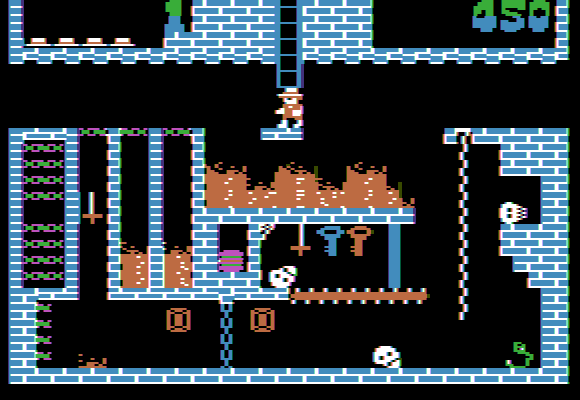
Montezuma's Revenge
challenging, environmental puzzles, labyrinthine
Montezuma's Revenge, released in 1984 for various platforms, is a notoriously challenging and unforgiving platformer that stands out for its intricate level design and punishing gameplay mechanics. Unlike many contemporaneous platformers that focused on linear progression, Montezuma's Revenge features a non-linear, maze-like structure with interconnected rooms and multiple paths to explore. Each level is a labyrinth filled with deadly obstacles, treacherous traps, and navigational puzzles that require precise timing and meticulous planning. The game's difficulty stems from its strict resource management system. Players must carefully manage their limited supply of keys, which are required to unlock doors and access new areas, as well as their stock of torches, which serve as both a light source and a weapon against enemies. Running out of either resource can lead to an untimely demise, forcing players to restart the level from the beginning. Another unique aspect of Montezuma's Revenge is its scoring system, which heavily incentivizes exploration and risk-taking. Players earn points not only for collecting treasures but also for performing daring feats, such as jumping over deadly pits or navigating through treacherous rooms filled with hazards. This encourages players to take calculated risks and thoroughly explore every nook and cranny of each level, adding an extra layer of challenge and replayability. Despite its age, Montezuma's Revenge remains a revered classic among hardcore platformer fans, praised for its uncompromising difficulty, intricate level design, and the sense of accomplishment that comes with mastering its demanding gameplay mechanics.
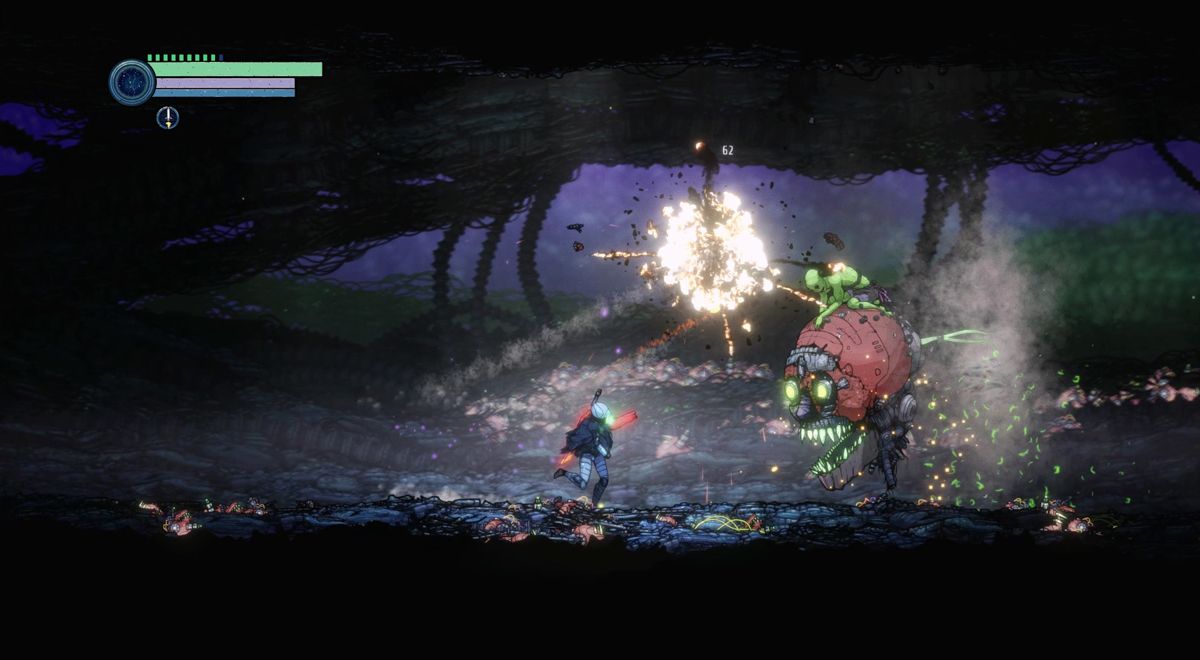
Ghost Song
igavania, sci-fi, challenging
Ghost Song is a Metroidvania-style game developed by Old Moon and published by Humble Games in 2022. Here are some key aspects of the game: 1. Setting: The game takes place on the desolate moon of Lorian, featuring a mysterious and atmospheric sci-fi environment with bio-mechanical elements. 2. Narrative: The story follows a female protagonist who awakens from a long slumber with no memory of her past. The narrative unfolds through environmental storytelling and interactions with other characters. 3. Combat system: Ghost Song features a unique blend of ranged and melee combat. The protagonist's arm cannon can be charged for more powerful shots, and there's a risk-reward system where players can sacrifice health for increased firepower. 4. Upgrade system: Rather than traditional experience points, the game uses a "Nanogel" system for upgrades. Players can choose to enhance either their health or weapon energy, creating a strategic element to character progression. 5. Sound design: The game features an atmospheric soundtrack that adapts to different areas and situations, enhancing the eerie and isolated feel of the moon. 6. Boss design: Bosses in Ghost Song are often large, intimidating creatures that require learning attack patterns and exploiting weaknesses to defeat. 7. Interconnected world: The map design features multiple paths and shortcuts, encouraging exploration and backtracking with new abilities. 8. Visual style: The game employs a hand-drawn art style with detailed backgrounds and character designs, mixing organic and mechanical elements. 9. Difficulty balance: Ghost Song aims for a challenging but fair difficulty curve, with save points strategically placed before difficult encounters. 10. Hidden lore: Much of the game's backstory and world-building is tucked away in optional areas and interactions, rewarding thorough exploration. Ghost Song stands out in the Metroidvania genre with its unique setting, atmospheric storytelling, and blend of combat styles, offering a fresh take on familiar gameplay mechanics.
Scurge: Hive
sci-fi, challenging, varied biomes
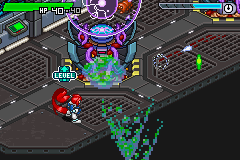
Scurge: Hive, released in 2006, is a third-person shooter game developed by Tragical and published by Kheops Studio. While it shares some standard elements with other games in the action-horror genre, Scurge: Hive sets itself apart with its distinct atmosphere and gameplay mechanics. The game takes place in a dystopian, post-apocalyptic world overrun by a mysterious alien infestation known as the "Hive." The player assumes the role of a mercenary tasked with navigating through this hostile environment, battling against hordes of grotesque, mutated creatures. One of the standout features of Scurge: Hive is its emphasis on ammo and resource management. Ammunition is scarce, forcing players to carefully plan their attacks and prioritize headshots for maximum efficiency. Additionally, the game introduces a unique "nano-forge" system, which allows players to craft and upgrade their weapons using materials scavenged from the environment. The game's level design is noteworthy, with intricate and interconnected environments that encourage exploration and backtracking. Players must navigate through claustrophobic corridors, dilapidated buildings, and underground tunnels, all while fending off relentless enemy attacks from multiple angles. Scurge: Hive's combat mechanics are intense and unforgiving. Enemies exhibit intelligent behavior, often flanking or overwhelming the player with sheer numbers. The game also features a dynamic damage system, where different body parts can be targeted and dismembered, adding a brutal layer of realism to the combat. While the game's graphics may have aged, the atmospheric design and sound design still hold up remarkably well. The eerie, industrial soundscape and unsettling ambient noises contribute to the game's overall sense of dread and tension. Despite its niche status, Scurge: Hive has garnered a dedicated cult following among fans of the action-horror genre, particularly those who appreciate its challenging gameplay, resource management elements, and uncompromising difficulty.
Eagle Island
fantasy, pixel art, challenging
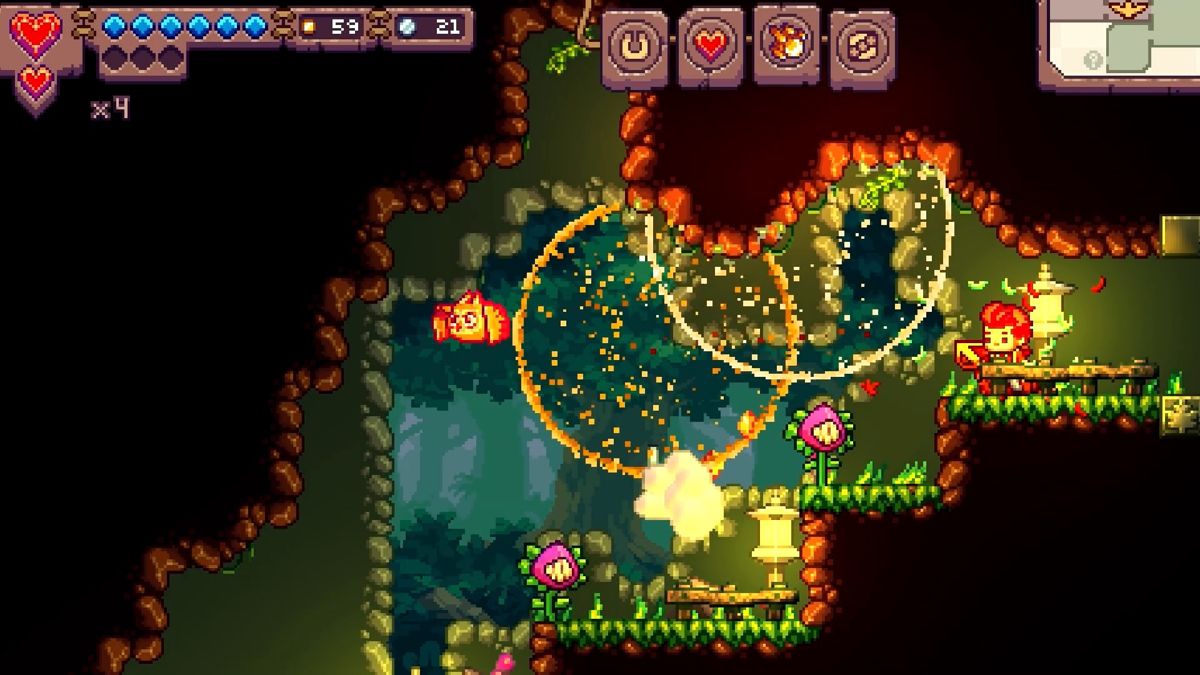
Eagle Island is a roguelite platformer developed by Pixelnicks and released in 2019 (not 2017). Here are some key aspects of the game that might interest someone familiar with the genre: 1. Falconry-based combat: Unlike most platformers, the main character Quill uses his owl companion, Koji, as his primary weapon. Players launch Koji at enemies in various directions. 2. Procedurally generated levels: The game features randomized level layouts, enhancing replayability and challenge. 3. Perk system: Players can unlock and equip various perks that modify gameplay, such as triple jumps or explosive owl attacks. 4. Multiple game modes: Besides the main story mode, there's a Roguelike mode with permadeath and a Speedrun mode for time trials. 5. Elemental system: Koji can be imbued with different elemental powers (fire, ice, lightning) that affect combat and puzzle-solving. 6. Accessibility options: The game offers extensive customization for difficulty and assists, allowing players to tailor the experience to their preferences. 7. Retro-inspired visuals: The pixel art style is reminiscent of 16-bit era games but with modern lighting and particle effects. 8. Boss design: Each major area culminates in a unique boss fight that often requires creative use of Koji and the environment. 9. Exploration rewards: Hidden areas and secrets encourage thorough exploration of each randomized level. 10. Lore integration: The game's story and world-building are woven into the environment and discoverable artifacts, rather than relying heavily on cutscenes. These features set Eagle Island apart from many other entries in the roguelite platformer genre.
Impossible Mission
environmental puzzles, sci-fi, challenging
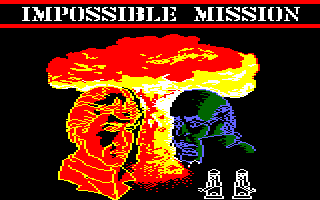
Impossible Mission, released in 1984 for various home computer platforms, was a groundbreaking game that combined elements of platforming, puzzle-solving, and stealth gameplay. Developed by Dennis Casswell and published by Epyx, it stood out for its innovative blend of genres and its distinctive visual style. The game's premise revolved around a secret agent tasked with infiltrating a highly secure underground complex to prevent a renegade artificial intelligence from launching a series of nuclear missiles. The player had to navigate through a maze-like series of rooms, each with its own unique challenges and obstacles. Puzzle elements played a significant role in Impossible Mission, as players had to solve various logic puzzles and manipulate objects to progress through the levels. This included tasks such as rearranging tiles, navigating mazes, and deciphering codes. The game has a notable randomization element, though it lacks ability gating, one of the staples of a metroidvania game. Stealth mechanics were also a crucial aspect of the gameplay. Players had to avoid patrolling robots and security systems, often by carefully timing their movements or using distractions. Getting caught or making too much noise would trigger alarms and potentially lead to a game over. The game's difficulty level was notoriously high, with intricate puzzles and unforgiving gameplay mechanics that challenged even experienced players. The limited time limit and the necessity to conserve resources added to the tension and strategic depth. Despite its age, Impossible Mission is still regarded as a classic in the annals of gaming history, praised for its innovative design, challenging gameplay, and unique visual style. Its influence can be seen in many modern games that blend multiple genres and incorporate puzzle-solving elements.
The Last Faith
igavania, pixel art, challenging
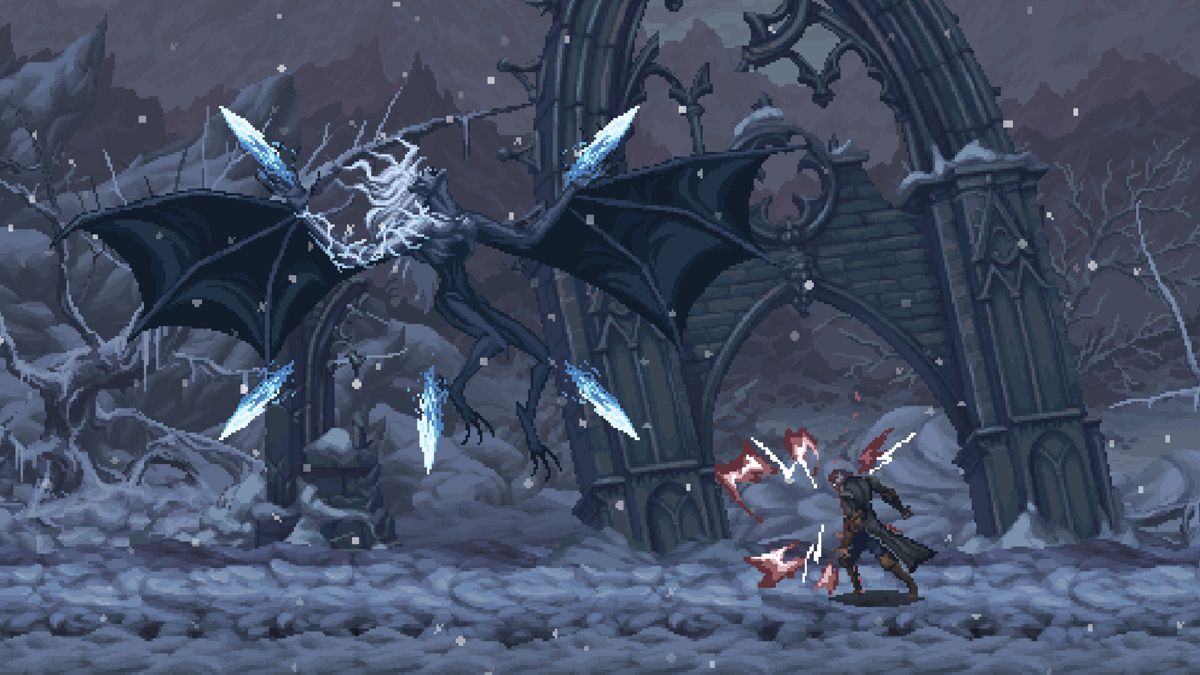
The Last Faith is a 2D side-scrolling action-platformer released in 2023, developed by Kumi Souls Games and published by Playstack. It falls firmly within the Metroidvania subgenre, with clear inspirations from games like Castlevania: Symphony of the Night and Bloodborne. The game is set in a dark, gothic world and features pixel art graphics with detailed backgrounds and fluid animations. Players control a character named Eric, exploring a vast, interconnected world filled with hostile creatures and challenging boss encounters. As typical for the genre, The Last Faith emphasizes exploration and character progression. Players gradually unlock new abilities and weapons that allow access to previously unreachable areas. The combat system is fast-paced and punishing, incorporating elements reminiscent of Soulslike games, including a stamina system and high difficulty. The Last Faith distinguishes itself with its intricate level design, atmospheric soundtrack, and a blend of melee and ranged combat options. The game also features multiple endings, encouraging replayability and thorough exploration. Given your familiarity with the genre, you'll likely appreciate The Last Faith's attempt to merge classic Metroidvania elements with more modern Soulslike mechanics, creating a challenging and atmospheric experience that pays homage to its influences while carving out its own identity.
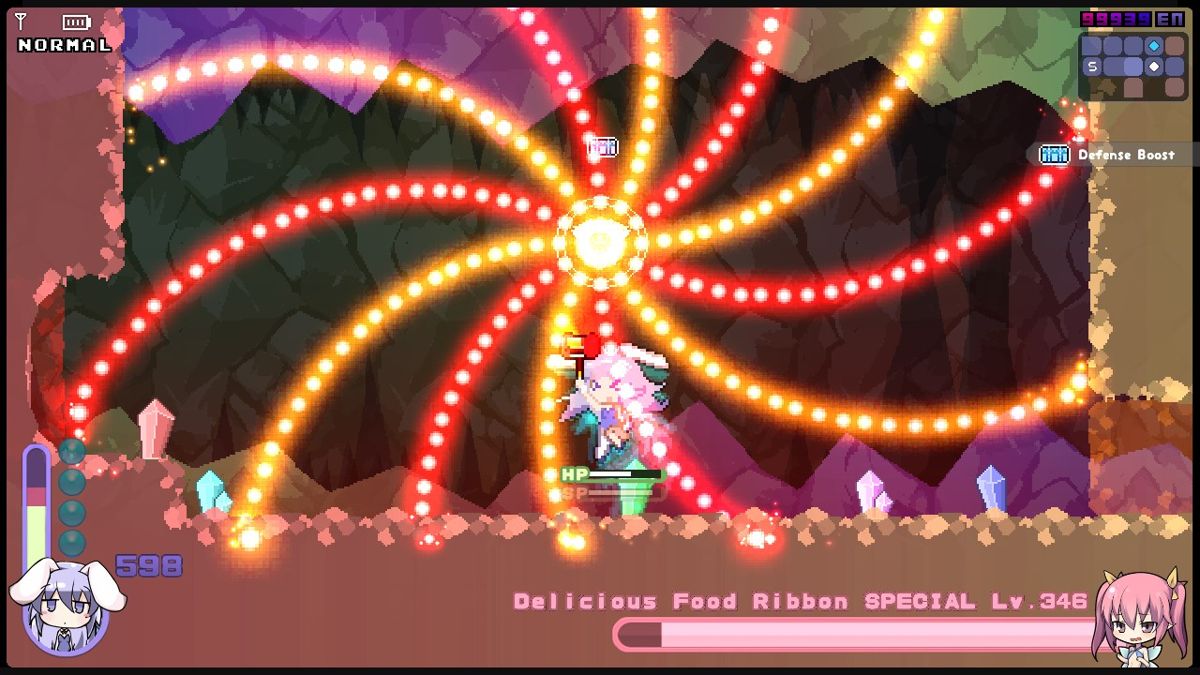
Rabi-Ribi
fantasy, pixel art, challenging
Rabi-Ribi is a 2D Metroidvania-style platformer with bullet hell elements, developed by CreSpirit and published by Sekai Project. It was initially released for Windows in 2016, with later ports to PlayStation 4, PlayStation Vita, and Nintendo Switch. The game follows the story of Erina, a rabbit who mysteriously transforms into a human girl with bunny ears. Players guide Erina through a vast, interconnected world as she searches for her missing master and uncovers the secrets behind her transformation. Key features of Rabi-Ribi include: 1. Non-linear exploration typical of Metroidvania games, with ability upgrades unlocking new areas. 2. A combat system that blends melee attacks with bullet hell-style projectile dodging. 3. An extensive boss roster featuring over 20 unique encounters. 4. RPG elements including leveling, equipment, and character customization. 5. Multiple difficulty settings and game modes, including a Boss Rush and speedrun-friendly options. 6. A chiptune-inspired soundtrack by composer Bunny Bandit. 7. An expansive map with over 9 main areas and numerous sub-areas to explore. Rabi-Ribi is known for its challenging gameplay, particularly in boss fights, which often require precise timing and pattern recognition. The game also features a unique "0% run" possibility, allowing skilled players to complete the game without collecting any items or powerups. For fans of the Metroidvania genre, Rabi-Ribi stands out for its bullet hell elements and its cute aesthetic, which contrasts with its often demanding gameplay.
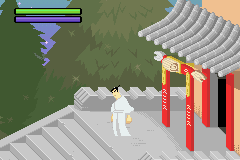
Samurai Jack: The Amulet of Time
fantasy, pixel art, post-apocalyptic
Samurai Jack: The Amulet of Time for the Game Boy Advance was a side-scrolling action-adventure platformer based on the acclaimed Cartoon Network animated series. While adhering to the show's distinct visual style and overall aesthetic, the game offered a unique storyline that served as an extension of the series' narrative. One of the standout features was the game's implementation of time travel mechanics. Players could manipulate the flow of time, allowing Jack to traverse between different eras, each with its own distinct environmental hazards and enemy types. This added a layer of complexity to the gameplay, as players had to adapt their strategies and combat techniques to suit the specific time period. The combat system was relatively straightforward but offered a satisfying level of depth. Jack could perform various combos and special attacks, drawing inspiration from his signature sword-fighting style in the show. Additionally, the game incorporated light puzzle-solving elements, often requiring players to manipulate objects or interact with the environment in specific ways to progress. While the game followed a linear progression, it featured multiple paths and secrets that encouraged exploration. Uncovering these hidden areas and collectibles not only rewarded players with power-ups and upgrades but also provided additional insights into the game's lore and backstory. Notably, the game's soundtrack was a highlight, capturing the essence of the show's iconic music and adding to the overall immersive experience. The sound design and voice acting were also commendable, with the original voice cast reprising their roles, further enhancing the game's authenticity. Overall, Samurai Jack: The Amulet of Time was a faithful adaptation that successfully translated the beloved animated series into an engaging and challenging handheld gaming experience, catering to both fans of the show and action-platformer enthusiasts alike.
Filters
Search Term
Properties
Platforms
Tags (include)
Tags (exclude)
Get Your Game Noticed
Advertise your game with MetroidvaniaDB and reach a community of people who know exactly what they're looking for:
Your game.
Native & Banner Ad Spots
Multi-week Discounts
Game Launch Packages
Discounts for Indie Developers